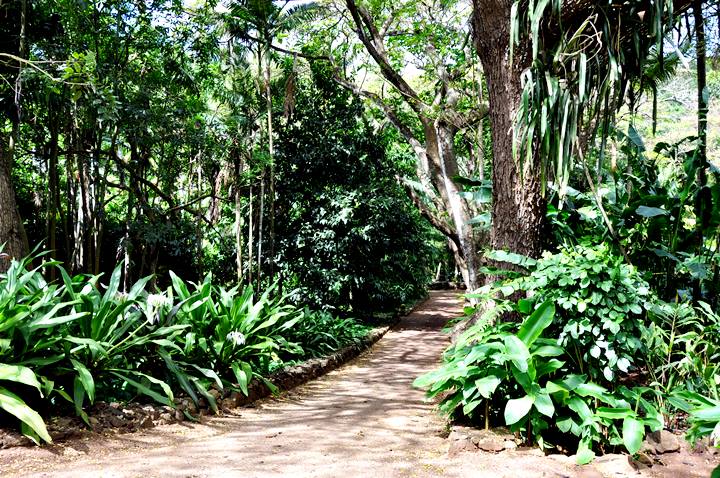
 The ground surfaces are the simplest and easiest to make, However, not every soil or soil type is suitable for this type of surface. An appropriate mechanical composition is required to obtain the optimal properties of the ground surface (grainness) land and proper, humidity. These two features have a decisive impact on the creation and preservation of the required coherence, and surface permeability. It is impossible to build a surface from a sandy ground, Because he does not have sufficient coherence and when walking on it, he is easily sliding down even in a state of significant humidity. Also inherent ground, Although there is clay with other physical properties. A large disadvantage of such strongly crushed soil is low permeability, and therefore long -lasting persistence of rainwater on the surface. Persistent softening prevents the use of such roads. Disadvantage of ground road surfaces built of highly developed material, There is also the ease of blurring and rinsing by rainwater.
Plants in sandy or clay areas can be improved by adding material with such grainness, which enables optimal conciseness and permeability. Yes, for example. by adding 10-30% loose sand clays are generally obtained material with quite good properties. Similarly to clay soils, you can add loose sand, However, in much more, reaching to 70-90%. The addition.
Improving the soil to be the surface of the garden roads usually leads to the depth 10-15 cm. Improvement involves even a layer of clay or sand of the appropriate thickness and then mixing with the ground to the required depth. The added materials and the ground should be in a state of proper humidity. Too dry sand falls while mixing to the bottom, making it difficult to obtain a uniform mixture. Too dry clay is difficult to crush, However, excessively moist can completely prevent mixing. After leveling the surface and giving it the appropriate profile and drops, it should be used several times.
Dirt roads, Although the cheapest, They are very difficult to maintain, because they easily overgrow with weeds, and their easily deforming surface requires constant leveling. Such roads should have the edges fortified with curbs, set after determining the width and designed height of the surface. The surface of the ground roads and the height of the curb remain.