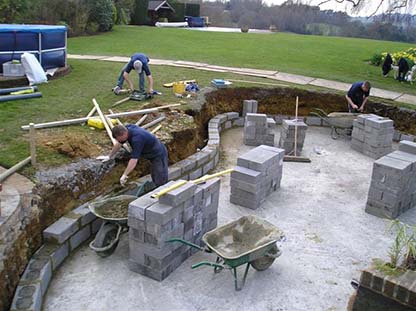
Fence elements
The following elements may occur in the fences: poles, fillings (walls), foundations, plinths and buttresses as well as teams and wickets.
The poles designate the fence plane and hold the material forming the filling or the wall. The position of the poles should be accurate and durable. Placement of columns is usually 3 …
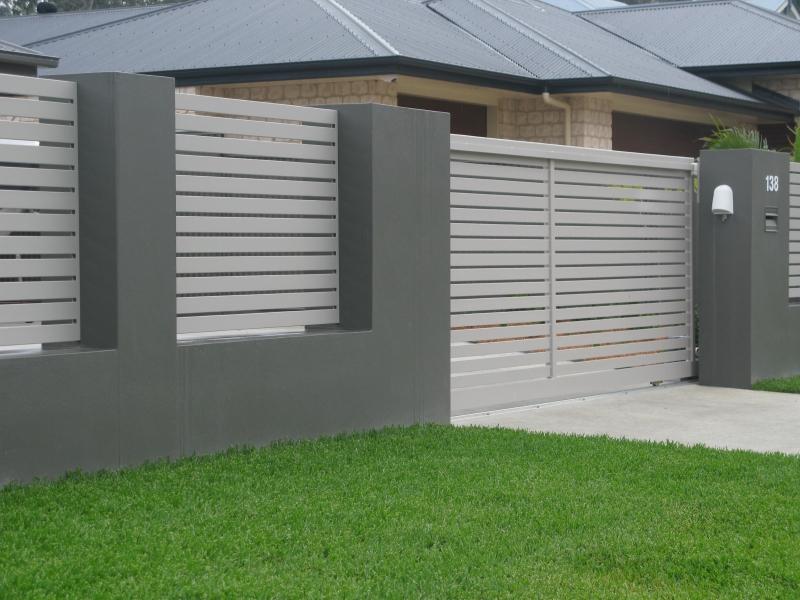 The concept of fences is often associated with various vertical garden elements with similar functions. Low walls, elevated curbs, Small precipitral hedges are often used on the border of pedestrian surfaces with surfaces covered with vegetation. They are not difficult to overcome an obstacle, a …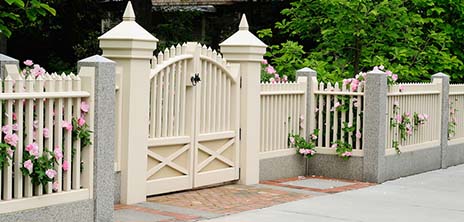
 In many garden tanks you can make a bottom with a bituminous surface. Such fortifications are used on impermeable land and sufficiently stable. The strengthening is performed like this type of surface. Warstwę uszczelniającą tworzy powłoka składająca się z dwóch warstw masy wylewanej na …
 In natural tanks, whose bottom has natural tightness; It is often necessary to strengthen its surface. Most often, this strengthening is aimed at maintaining the right profile of the day and facilitate the maintenance of the tank clean. Jako umocnienie stosuje się najczęściej pokrywanie powierzchni dna brukiem kamiennym …
 All artificial tanks, i.e. requiring DNA sealing, They may have edges made of prefabricated concrete, or edges, them can be different types of walls or walls. The construction of the strengthening of the shore in the artificial tanks should be a gap, i umożliwiać powiązanie z materiałem uszczelniającym …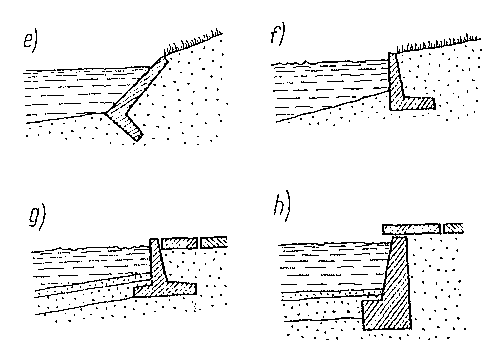
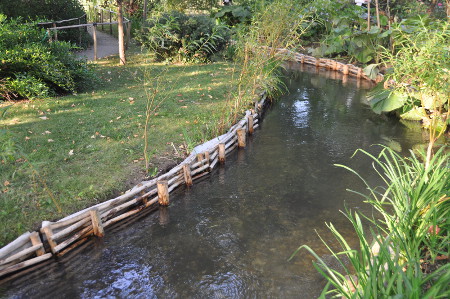 Strengthening the edges of natural tanks can be done in different ways and using different materials. Different considerations determine the choice of method and material, such as. Type and purpose of the tank, use, Designed type of DNA strengthening, Availability of materials, economic considerations. Wiele zbiorników …